How to Put Your Boat or RV Away for a Boise Winter
When the last camping trip or day on the water is over, putting a boat or RV away takes more than parking it and locking the door. Water left in plumbing, a neglected battery, old food, dirty surfaces, and an improperly fitted cover can all create problems during months of inactivity. A little work before storage makes spring much easier.
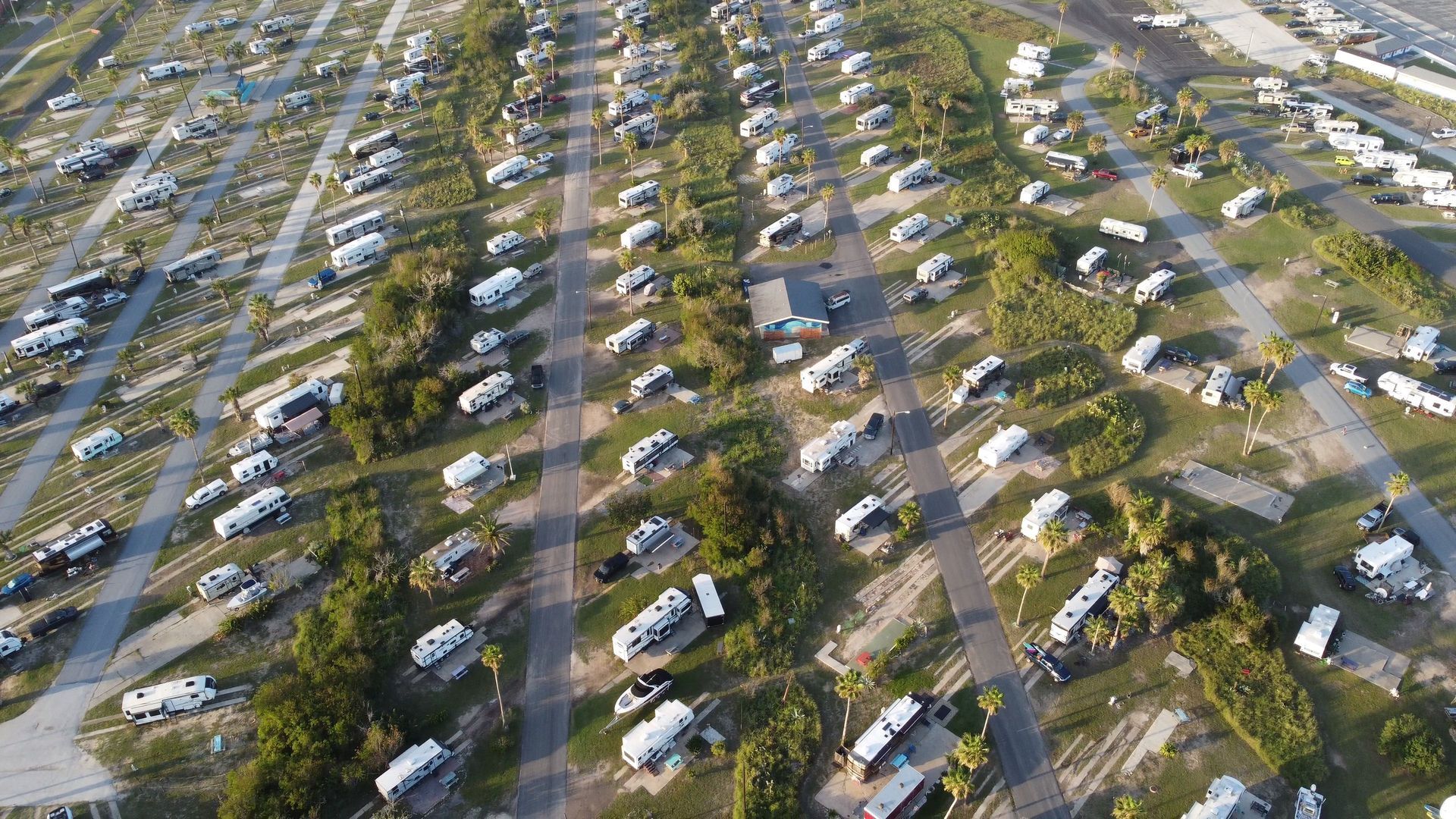
If you're deciding how to store your boat or RV for winter, start with the vehicle itself, then choose a parking space that fits its full dimensions. At Simply Storage Idaho, our storage options in Boise include outdoor uncovered parking for boats, RVs, trailers, and other vehicles at our fenced and gated property on W Victory Road. Our facility also has keypad entry, 24-hour video surveillance, wide drive aisles, and customer access seven days a week from 5 a.m. to 10 p.m.
Start With Your Manufacturer's Winterization Instructions
There's no single winterization procedure that works for every boat or RV. Engines, plumbing layouts, water heaters, pumps, appliances, generators, batteries, and fuel systems vary by model, so your owner's manuals should determine the exact maintenance steps you follow. This is especially important anywhere water can remain inside the vehicle. The Idaho Department of Parks and Recreation notes that water and sewer service at Lake Cascade State Park is temperature-dependent and begins winterization around October 1, which is a useful reminder of what freezing conditions mean for water systems in recreational equipment. Drain and winterize your RV or boat according to the manufacturer's instructions before it sits through winter.
For an RV, that means paying close attention to the freshwater system, water heater, holding tanks, exterior connections, and any appliance or fixture that contains water. Boat owners should follow the engine and boat manufacturers' procedures for the engine, cooling system, fuel system, freshwater components, and any onboard plumbing rather than relying on a generic checklist.
Clean Everything Before Storage
Wash the exterior before parking for the season. Dirt, road grime, plant material, bugs, and residue from time on the water are easier to deal with now than after sitting for months. Once the exterior is clean, give it enough time to dry before covering the vehicle. The interior deserves the same attention. Empty refrigerators and cabinets, remove food and trash, clean cooking areas, and take out damp towels, bedding, or other items that don't need to stay aboard. On a boat, check compartments, storage lockers, seating areas, and the bilge for moisture or debris.
Drying matters as much as cleaning. Closing a damp boat or RV for several months gives that moisture nowhere useful to go, particularly once a cover is installed. Inspect seals, vents, windows, roof penetrations, and compartments while you clean so you can address visible damage before storage.
Deal With the Battery and Fuel System
Long periods without use are hard on batteries, so follow the battery manufacturer's instructions for storage and maintenance. Depending on the setup, that may involve disconnecting or removing the battery and maintaining its charge appropriately during the offseason. Our facility guidance also recommends checking tire pressure, making sure fluids are topped off, and considering battery disconnection for long-term vehicle storage. Those are starting points, not replacements for the instructions supplied with your particular RV, boat, engine, generator, or battery.
Fuel deserves the same model-specific approach. Gasoline and diesel engines don't all have identical offseason procedures, and fuel systems vary considerably between boats and RVs. Follow the manufacturer's storage instructions rather than automatically draining a tank, filling it, or adding a product that hasn't been recommended for your equipment.
Check Tires and the Trailer
Your RV or boat trailer will spend months carrying weight in the same position. Before storage, inspect the tires for visible damage and check their pressure against the manufacturer's specifications. Look over the wheels and trailer components at the same time so a problem isn't waiting for you on your first trip next year. For a trailered boat, remember that the trailer counts toward the total space you need. Measure from the farthest point at the front, including the hitch or tongue, to the farthest point at the rear, including the motor or other overhang.
Our uncovered parking spaces include 12-by-25, 12-by-30, 12-by-35, 12-by-45, and 12-by-60-foot options, plus custom sizes for oversized vehicles. We recommend choosing a space at least five feet longer than the total measurement to leave room for maneuvering.
Protect the Exterior
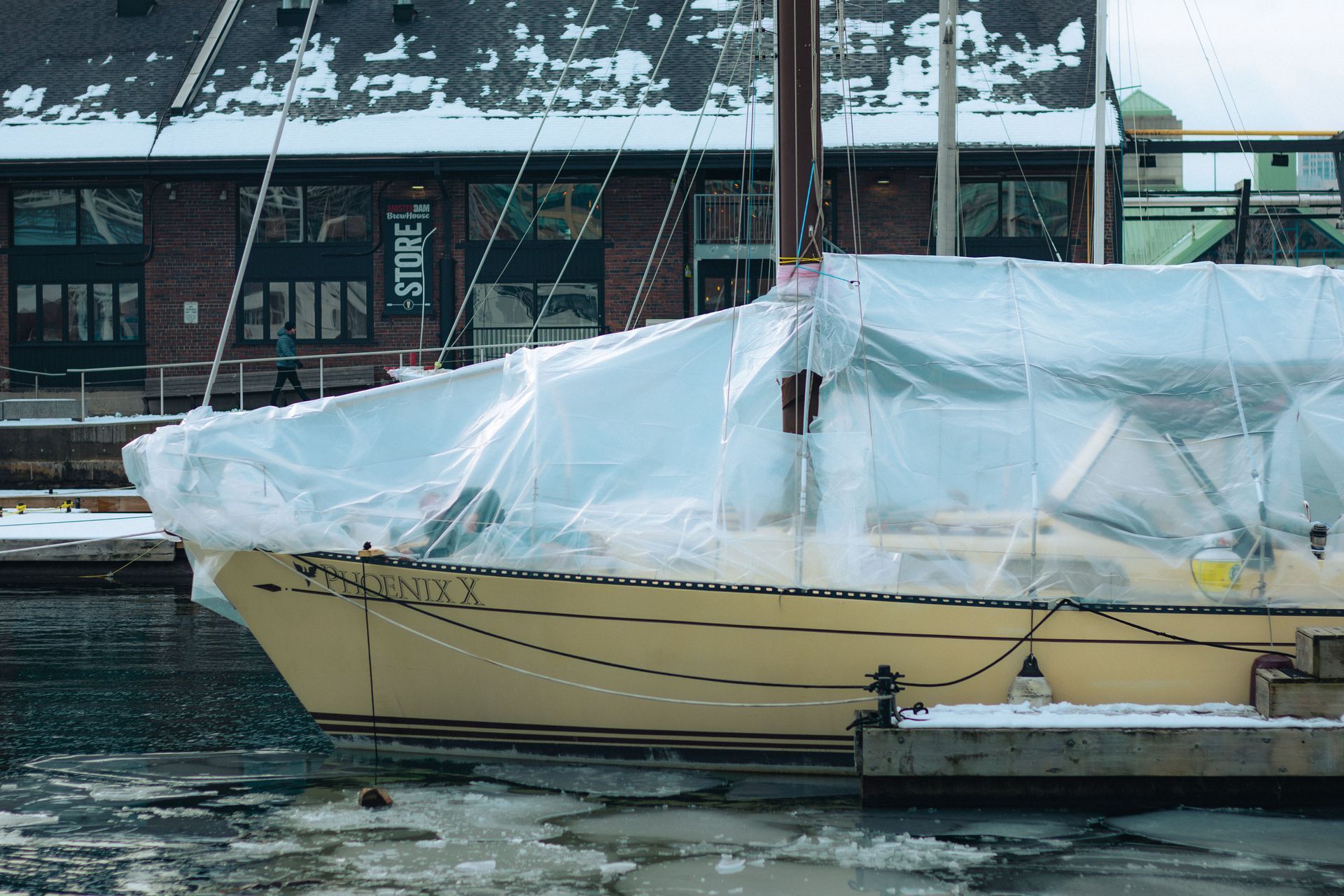
Because our boat and RV parking is outdoors and uncovered, the way you protect the exterior matters. Check the roof, seals, windows, vents, trim, and other exterior components before storage, and repair anything that your manufacturer says needs attention. Boat owners also need to decide how the vessel will be covered. A reusable fitted cover and professionally installed shrink wrap work differently, particularly when it comes to access, ventilation, and repeated use. Our guide to choosing between boat shrink wrap and a reusable cover goes into those differences in more detail.
Whichever option you use, follow its installation instructions and make sure it suits outdoor storage. Don't use a cover as a substitute for drying and cleaning the boat first. Trapping existing moisture underneath creates another problem instead of solving one.
Remove Items That Shouldn't Stay Inside
Winter preparation is a good time to empty the vehicle of anything you won't need until next season. Food, trash, damp fabrics, and valuables are better removed before the boat or RV is parked. There are also property rules to account for. At our Boise facility, loose items can't be stored outside of the boat, RV, or trailer. Our prohibited items include perishables, plants, animals, flammable or hazardous materials, combustible items, liquids, and propane tanks.
That makes it worth sorting everything before arriving rather than unloading unwanted gear in the parking space. Keep permitted equipment properly secured inside the vehicle and take prohibited materials somewhere appropriate before move-in.
Measure Before Choosing Your Winter Parking Space
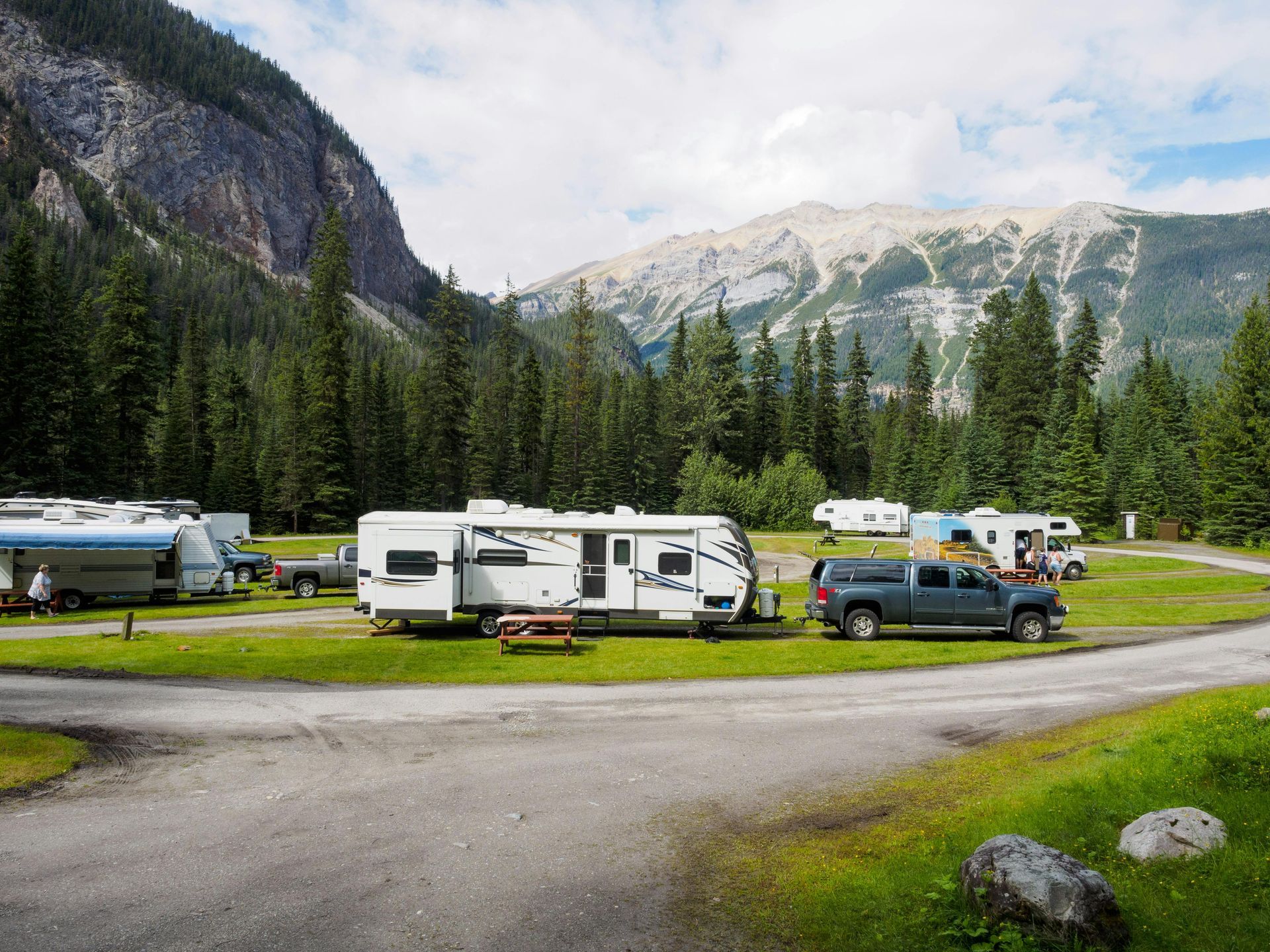
A boat or RV that technically fits isn't necessarily easy to park. Measure the entire setup rather than relying on the manufacturer's nominal vehicle length. Hitches, trailer tongues, motors, spare tires, ladders, and rear overhangs can change the space required. Most of our parking spaces accommodate vehicles up to 10 to 12 feet wide, and we have custom options for oversized vehicles. If your setup is unusually wide or long, confirm the dimensions before reserving instead of assuming a standard space will work.
Our property is at 8440 W Victory Road in South Boise, near S Maple Grove Road and accessible from the Boise area, Kuna, and Meridian. That location is useful for recreational vehicle owners heading between home and the wider Treasure Valley. For boaters, Lucky Peak is a familiar part of the local recreation picture. Idaho Parks and Recreation lists boat ramps, a marina, and other boating amenities at Lucky Peak State Park, while Spring Shores has two boat ramps and trailer parking. Once the boating season winds down, putting the boat away properly means less unfinished maintenance waiting before the next launch.
Prepare Your Documents Before Move-In
Winter storage also involves a little paperwork. At our Boise property, vehicle storage requires current registration and insurance in the leaseholder's name, a government-issued photo ID, and three photos of the vehicle, including its license plate. Having those items ready before move-in keeps the process straightforward. Once your rental paperwork is complete and the required documents have been provided, you'll receive your gate code and can bring the vehicle to its parking space.
If you're storing a boat registered in Idaho, the Idaho Department of Parks and Recreation also provides online boat registration and renewal information. Its current registration resources explain how to renew online and locate in-person vendors when needed.
Don't Treat Winter Storage as "Park and Forget"
Once the boat or RV is parked, occasional visual checks are worthwhile. Look at the cover, exterior, and tires and watch for anything that has shifted, loosened, or developed visible damage. Follow the manufacturer's maintenance schedule for batteries or other systems that need attention during an extended period of inactivity.
A short check is much easier than discovering a problem months later. If you want a more detailed list of things that can go wrong during the offseason, our guide to boat and RV winter storage mistakes covers issues such as moisture, batteries, tires, covers, and neglected maintenance.
Give Yourself an Easier Start Next Season
Good winter storage starts before you reach the parking space. Clean and dry the vehicle, complete the manufacturer-required winterization, inspect the tires and exterior, remove prohibited or unnecessary items, and measure the entire setup before choosing a space.
At our W Victory Road property, we offer uncovered parking in several lengths along with custom-size options for larger vehicles. If you're planning where your boat, camper, trailer, or RV will stay this offseason, you can explore
storage options from Simply Storage Idaho and compare the available parking sizes with your vehicle's measurements.