Don’t Let Winter Storage Cost You: 10 Boat and RV Mistakes Boise Owners Should Avoid
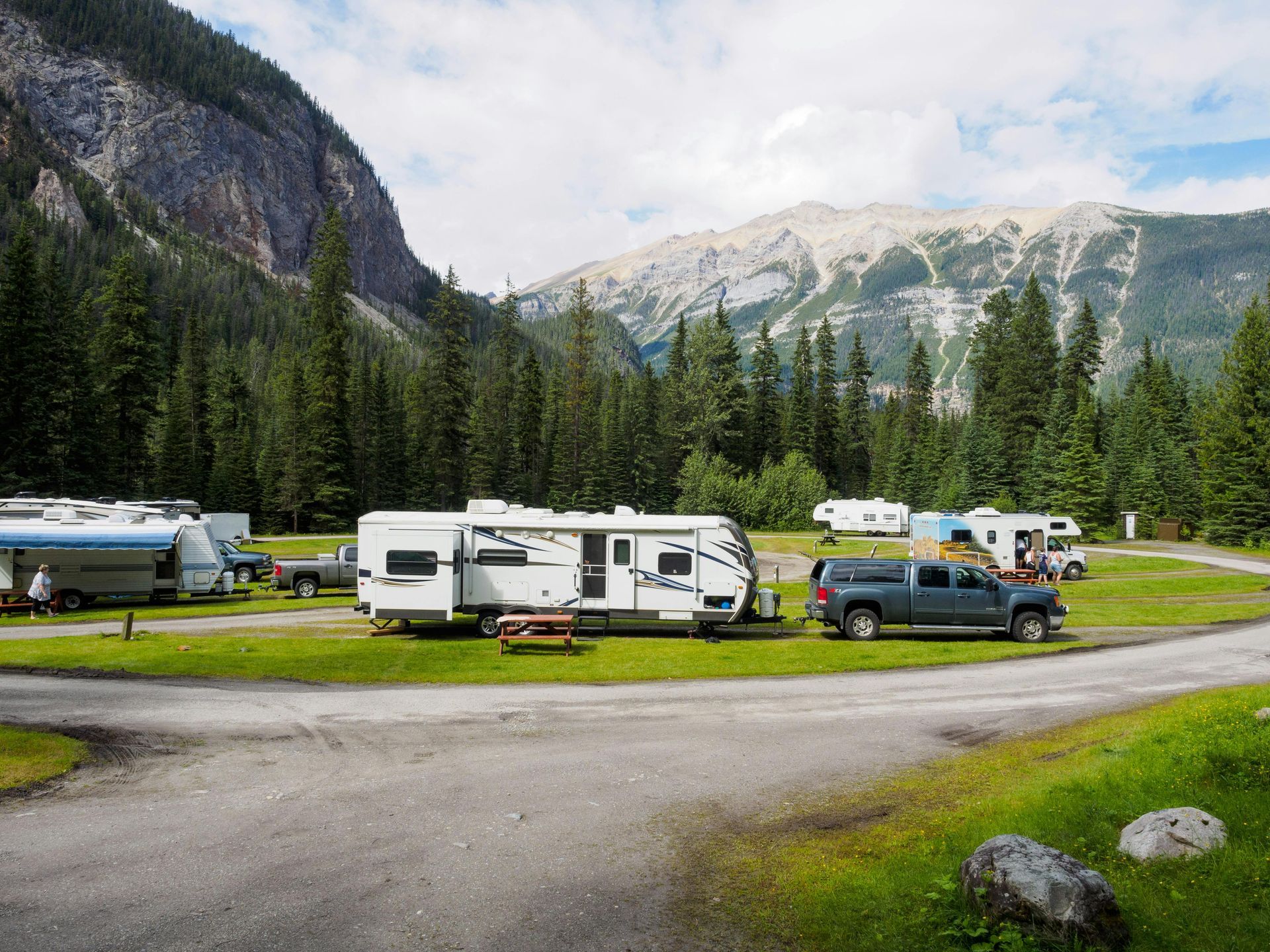
Owning a boat or RV around Boise comes with a pretty good perk: there is always another adventure to plan. Lucky Peak State Park is only a short drive from the city, with boating, fishing, paddling, biking, and other recreation close to home. At Spring Shores Marina, boaters have access to two boat ramps, trailer parking, a marina, and lakeside recreation, which helps explain why boats are such a familiar part of the outdoor lifestyle in this part of Idaho. Eventually, though, every busy boating or RV season reaches the point when the keys get put away for a while. That transition deserves more attention than simply finding an open parking space and walking away. Months of inactivity can be surprisingly hard on batteries, tires, plumbing systems, seals, upholstery, engines, trailers, and exterior finishes. Consequently, the work you do before storage often determines how much work you will face when you are ready to use your vehicle again.
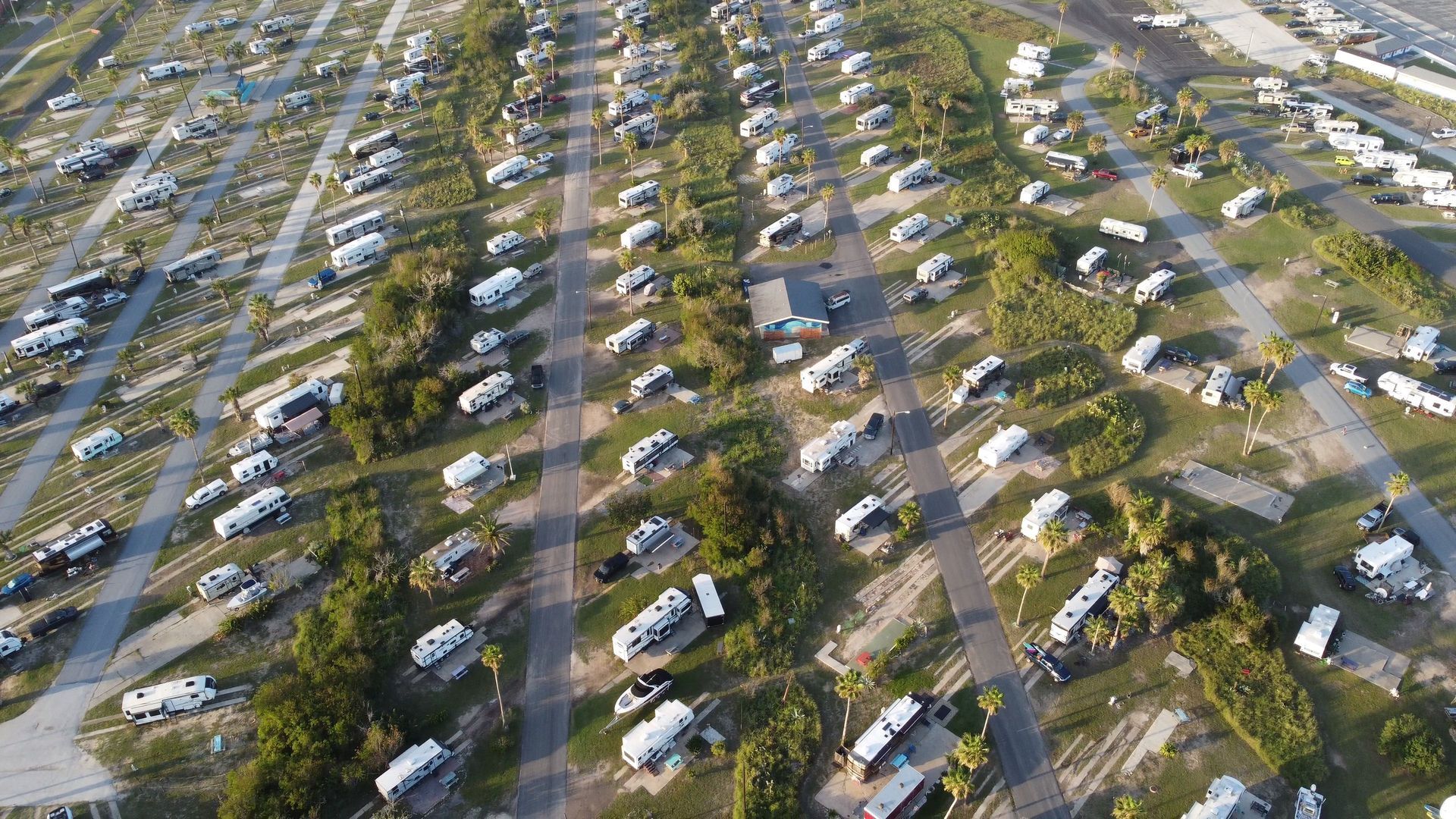
For boat owners researching storage options in Boise, the goal should be to put a boat or RV away in a condition that makes its eventual return to use as uncomplicated as possible. At Simply Storage Idaho, we offer outdoor uncovered boat and RV parking at our fenced and gated Boise facility, along with keypad access, wide drive aisles, security cameras, and multiple parking sizes. However, even a well-chosen storage facility cannot compensate for a boat or RV that was stored with standing water, forgotten food, an ignored battery, or unfinished maintenance. Before you park for the season, it is worth avoiding these ten common mistakes.
Key Points for Readers Short on Time
- Clean and completely dry your boat or RV before storage, paying special attention to compartments, upholstery, kitchens, bathrooms, and other places where moisture or debris can hide.
- Follow the manufacturer’s instructions for fuel, batteries, engines, plumbing, and other mechanical systems rather than relying on a one-size-fits-all winterization routine.
- Choose a properly fitted cover and a storage arrangement that matches the size, configuration, and protection needs of your boat or RV.
- Remove food, trash, valuables, and other unnecessary belongings, then inspect for openings or damaged seals that could make the vehicle more inviting to pests.
- Treat storage as an ongoing part of vehicle care by checking tires, covers, batteries, leaks, and other visible conditions periodically instead of simply parking and forgetting about the vehicle.
1. Parking Your Boat or RV Before Giving It a Proper Cleaning
After one final weekend on the lake or one last RV trip, cleaning can feel like a chore that can wait. The bags need to be unpacked, gear needs to be carried inside, and everyone is ready to call the season finished. Unfortunately, parking a dirty boat or RV for an extended period gives grime, food residue, mud, plant material, insects, and other debris plenty of time to settle into surfaces and hidden spaces. For boats, begin with the areas that have spent the most time around water. The hull, trailer, propeller, live wells, storage compartments, and other exposed areas should be cleaned according to the manufacturer’s recommendations. Idaho boat owners also have another reason to pay close attention to what comes home from the water. The Idaho Department of Parks and Recreation provides boating information and resources related to boating requirements and aquatic invasive species prevention. Cleaning a boat carefully before storage is therefore not merely about keeping it looking good. It is part of responsible boat ownership.
RV owners should take the same deliberate approach. Road grime can collect around wheels and lower body panels, while leaves and debris may gather around exterior compartments and other openings. Inside, crumbs can disappear underneath seating, spills can dry onto surfaces, and forgotten trash can sit unnoticed for months. Cleaning these areas now makes the vehicle more pleasant to reopen later and, more importantly, gives you a chance to notice cracks, leaks, damaged seals, loose components, or other maintenance concerns before storage begins.
2. Assuming Clean Automatically Means Dry
Once a boat or RV looks clean, it is easy to feel like the job is finished. However, water left behind after cleaning can create a completely different set of problems. Moisture has a way of settling into places that are easy to overlook, including beneath cushions, inside cabinets, around carpets, in storage compartments, near plumbing fixtures, and underneath covers. Therefore, drying should be treated as its own step rather than as something that happens automatically after washing. Give the vehicle enough time to dry thoroughly before covering or closing it up. When appropriate, open compartments, cabinets, and interior storage areas to encourage airflow. Boat owners should inspect areas where water naturally drains or collects, while RV owners should pay particular attention to kitchens, bathrooms, plumbing areas, exterior storage compartments, and soft furnishings.
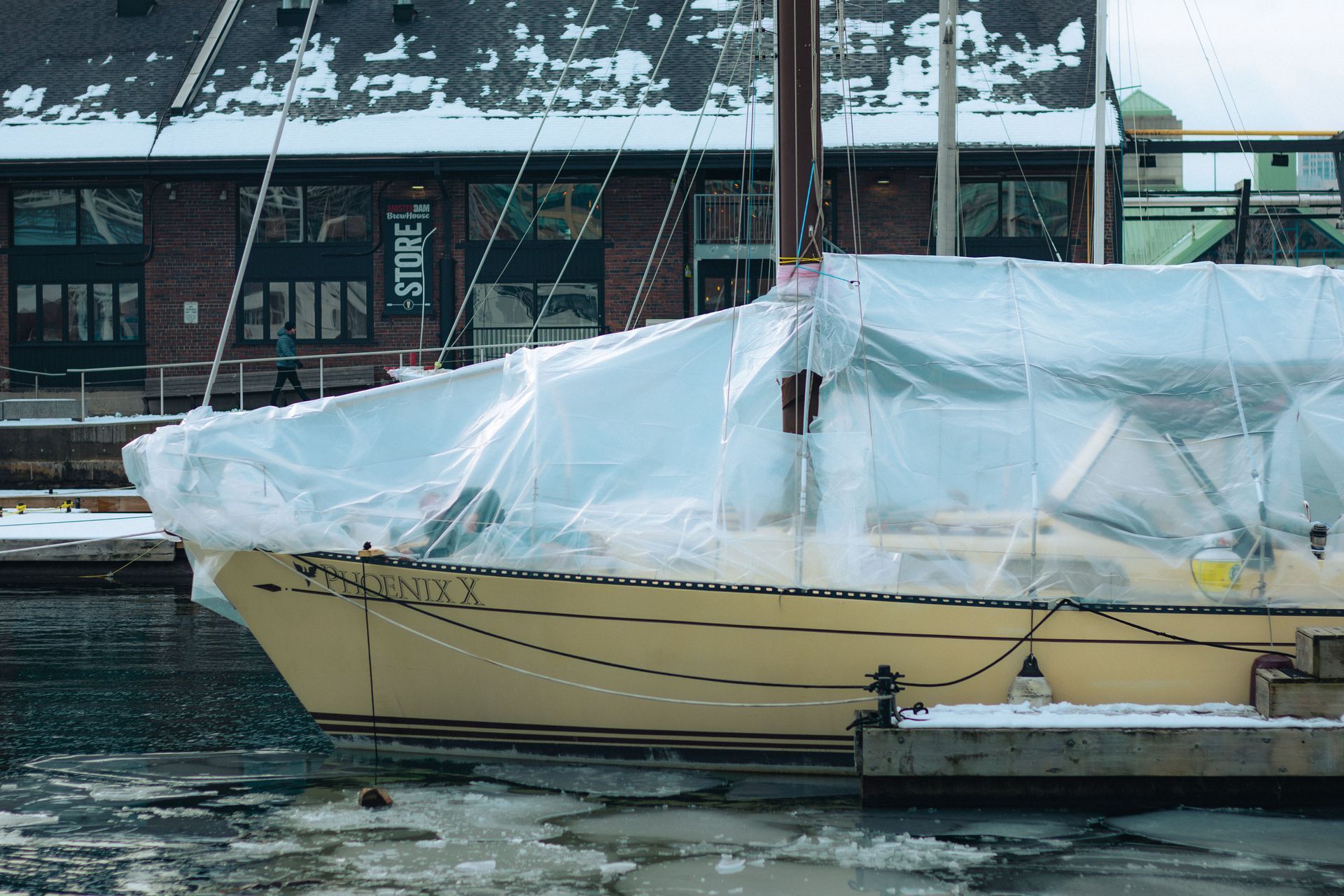
This is also a good time to think about how your boat will be covered. A cover is useful only when it fits the vehicle and is installed in a way that allows it to do its job properly. Boat owners weighing different approaches can read our guide about boat shrink wrap versus a boat cover. Understanding how each option works can help you decide which type of protection makes sense for your particular boat and storage setup. Ultimately, the important distinction is simple: clean removes what should not be there, while dry helps prevent moisture from becoming a problem while the vehicle is sitting unused. Skipping either part leaves the storage preparation incomplete.
3. Putting Off Engine, Fuel, and Fluid Maintenance Until Spring
There is a certain logic to thinking that maintenance can wait until you are ready to use the vehicle again. After all, if the boat or RV will not be moving for months, why service it now? The problem is that fluids, fuel systems, filters, belts, hoses, and engine components do not stop aging simply because the vehicle is parked. Instead, use the period before storage as an opportunity to review the maintenance instructions for your specific boat, engine, or RV. Depending on the equipment and manufacturer, preparation may involve checking or changing fluids, servicing filters, inspecting belts and hoses, addressing the fuel system, lubricating designated components, or completing other manufacturer-recommended procedures. The correct steps can vary significantly from one vehicle to another, so a generic checklist should never replace the instructions for your model.
It also helps to keep a simple maintenance record. Write down what was serviced, what was inspected, and anything that will require attention before the next trip. Several months later, it can be surprisingly difficult to remember whether a filter was changed before storage or whether you simply intended to change it. A short written record eliminates that uncertainty. More importantly, handling known maintenance needs before storage keeps you from starting the next season with a backlog of forgotten tasks. When that first boating weekend or RV trip finally arrives, there is a big difference between performing a routine pre-trip inspection and discovering a list of maintenance jobs you postponed months earlier.
4. Forgetting About the Battery Because the Vehicle Is Not Moving
Batteries are easy to overlook because they are mostly out of sight. Yet a battery can gradually lose its charge while a boat or RV sits unused, and certain electrical systems may continue drawing small amounts of power even when the vehicle appears to be completely off. Before storage, inspect the battery and terminals for visible corrosion or damage. Then, follow the battery and vehicle manufacturer’s recommendations for long-term storage. Depending on the type of battery and vehicle, that could mean disconnecting it, removing it, using an appropriate maintenance charger, or checking its state of charge at specified intervals.
The key is not to assume that the battery will simply remain in the same condition for several months. A battery that started the engine perfectly during your final outing may still need attention before and during storage. Furthermore, if your boat or RV has more than one battery, make sure you understand what each battery powers and how each should be maintained. RV house batteries and starting batteries, for example, may have different roles. Taking a few extra minutes to understand the system now can save considerable frustration when you are preparing for your next trip.
5. Treating RV Plumbing Winterization as a Quick Drain and Done Job
RV plumbing systems contain more places for water to hide than many owners realize. Fresh water tanks, lines, pumps, fixtures, toilets, showers, water heaters, filters, and exterior connections can all be part of the system. As a result, simply draining the most obvious tank does not necessarily mean the RV has been properly prepared for an extended period of winter storage. Instead, follow the winterization instructions provided by your RV manufacturer. The exact procedure varies by model and plumbing configuration, which is why it is important to work from the correct manual rather than assuming that a process used on another RV will work for yours.
While you are working through the plumbing system, inspect accessible areas for evidence of existing leaks. Look underneath sinks, around fittings, inside cabinets, near the bathroom, and around other visible plumbing components. A minor leak that seems manageable during a camping trip can become much more troublesome when it continues unnoticed inside a parked RV. This inspection also creates a natural opportunity to clean the kitchen and bathroom thoroughly. Once those areas are clean, dry, and properly prepared, you can close the RV knowing that one of its more complicated systems has received the attention it needs rather than hoping everything will be fine when you return.
6. Assuming Any Tarp or Cover Will Do the Job
Covering a boat or RV sounds simple until you consider what the cover actually has to accomplish. It should remain secure, protect appropriate surfaces, avoid damaging the vehicle, and, depending on its design, allow suitable ventilation. A loose tarp thrown over the top may not accomplish those goals. In fact, an improperly secured cover can create its own problems. Material that repeatedly rubs against a finished surface can contribute to wear, while low areas in a boat cover can allow water or debris to collect. Meanwhile, blocking a vent or other component that needs airflow can interfere with the way the vehicle was designed to function.
For that reason, choose a cover intended for the type and size of vehicle you own and follow its installation instructions. Boat owners should pay attention to support and drainage so the cover does not develop deep pockets. RV owners should make sure the cover accommodates the vehicle’s dimensions and exterior components without putting unnecessary pressure on them. Beyond the cover itself, think about the storage environment. Our article about covered RV storage versus uncovered storage explains some of the practical differences between the two arrangements. Simply Storage Idaho currently offers outdoor uncovered boat and RV parking, so owners using our facility should prepare their vehicle and cover with that storage environment in mind. Being clear about the type of storage you are using makes it easier to prepare appropriately from the beginning.
7. Leaving Food, Trash, and Pest Attractants Behind
The granola bar tucked into a cabinet may not seem important when you are packing up after a trip. Neither does a handful of crumbs beneath a seat or a nearly empty bag of pet treats hidden in a drawer. However, once a boat or RV sits quietly for an extended period, those small leftovers can become much more significant. Before storage, remove food, trash, pet treats, and other unnecessary items that could attract pests. Then clean the areas where food was prepared, served, or stored. Vacuum underneath seats and cushions, wipe cabinet shelves, empty coolers, and inspect drawers and compartments that may have been overlooked during ordinary trip cleanup.
Next, look for potential access points. Damaged seals, small gaps around utility penetrations, and openings near compartments may provide entry for insects or rodents. At the same time, avoid sealing openings indiscriminately. Some vents, drains, and other openings serve important functions and should remain unobstructed. If you are unsure, check your owner’s manual before blocking anything. This is also a good moment to remove valuables and items that simply do not need to spend the winter inside the vehicle. The less unnecessary material you leave behind, the easier it is to clean, inspect, and monitor the interior throughout the storage period.
8. Focusing on the Vehicle and Forgetting What Is Underneath It
A boat may be the reason you own a trailer, but the trailer is what gets that boat to Lucky Peak and back home again. Likewise, an RV depends on its tires and supporting components every time it moves. Nevertheless, these parts often receive less attention than engines, interiors, and covers during storage preparation. Start with the tires. Inspect them for visible damage, unusual wear, and other signs that deserve professional attention. Check inflation according to the vehicle or tire manufacturer’s recommendations, and remember that tire condition should be reviewed again during storage rather than checked only once.
Boat owners should expand the inspection to the trailer itself. Look at the wheel and tire assemblies, hitch components, safety chains, winch, lights, and other visible equipment. If the manufacturer specifies maintenance for wheel bearings or other components before long-term storage, include those tasks as well. RV owners should be equally cautious about advice involving lifting, jacking, or changing the load on tires during storage. RV designs and weights vary substantially, and a technique that is suitable for one vehicle may not be appropriate for another. In this case, manufacturer instructions should take priority over general advice. Finally, remember to measure the complete vehicle when selecting storage. At Simply Storage Idaho, our uncovered parking spaces include multiple lengths, and our size guide recommends measuring from the frontmost point to the rearmost point, including a hitch, tongue, motor, or overhang where applicable. We also recommend additional clearance to make maneuvering easier. That small amount of planning can make parking a large boat or RV much less stressful.
9. Choosing a Storage Facility Based Only on the Space Being Available
Finding an open parking space is not quite the same thing as finding a storage setup that works for your vehicle. Before committing to a storage facility, consider how the boat or RV will actually enter, maneuver, park, and eventually leave the property. Vehicle dimensions matter, but so do drive aisle space, access arrangements, facility security features, and the type of parking available. Measure before you choose a space, particularly if you have a boat on a trailer or an RV with equipment extending beyond the main body. A trailer tongue, outboard motor, bumper, ladder, or other overhang can change the vehicle’s total footprint. Simply Storage Idaho offers outdoor parking in multiple sizes, including options designed for larger vehicles, and our facility uses wide drive aisles to make maneuvering easier.
Security features deserve attention as well. At our Boise storage facility, we provide a fenced and gated property with keypad access, security cameras, and on-site security. Those features are part of the overall storage experience, but vehicle owners still have an important role to play by locking their vehicles properly, removing unnecessary valuables, and preparing them correctly before leaving them parked. Access is another practical consideration that is easy to underestimate. If you plan to check your boat or RV during storage, you want an arrangement that makes those visits realistic rather than inconvenient. At our Boise facility, current access hours are seven days a week from 5:00 a.m. to 10:00 p.m., providing customers a broad window to visit their stored vehicles. In other words, the right storage space is not simply a rectangle large enough to hold your RV or trailer. It should make sense for the way you own, maintain, and use the vehicle.
10. Parking It Once and Not Looking at It Again Until Your Next Trip
Perhaps the most common storage mistake is also the simplest: assuming that nothing can change because the vehicle is not moving. In reality, several months is plenty of time for a cover to loosen, a tire to lose pressure, a battery to discharge, a pest to find an opening, or a small leak to become noticeable. Therefore, when your storage arrangement allows it, build occasional inspections into your routine. Walk around the vehicle and look for obvious changes. Check that the cover is still positioned correctly, inspect accessible tires, look underneath for signs of leaks, and check the interior for unusual odors, moisture, pest evidence, or anything else that appears different from your previous visit.
You do not need to turn every check into a full maintenance day. A short, methodical inspection is often enough to identify something that deserves attention. Keeping a note on your phone with the date and anything you observed can also make it easier to notice patterns over time. For example, if the same tire repeatedly needs attention, that is useful information. If you notice a small stain and it is larger at the next inspection, you know the issue is progressing. Storage inspections are valuable precisely because they allow you to spot changes while they are still relatively easy to investigate.
The Best Storage Season Ends With an Easy Return to the Road or Water
The real payoff from careful winter storage does not happen when you park the boat or RV. It happens months later, when you are getting ready for the first outing of the next season and discover that the vehicle is much closer to being ready than it would have been otherwise. That matters in Boise, where outdoor recreation is close enough that a spontaneous day on the water or a weekend RV trip can quickly become part of the plan. Lucky Peak State Park, for instance, sits just southeast of Boise and includes opportunities for boating, fishing, paddling, biking, swimming, and other outdoor activities. Spring Shores Marina provides two boat ramps, trailer parking, marina services, and direct access to Lucky Peak Lake. When a favorite recreation area is that accessible, few owners want their first outing delayed by maintenance problems that could have been addressed before storage.
Ultimately, good storage preparation is mostly about paying attention to the small things before they become large ones. Clean the vehicle rather than storing last season’s dirt with it. Let everything dry before closing it up. Follow the manufacturer’s instructions for the engine, fuel, batteries, plumbing, and other systems. Choose an appropriate cover. Remove food and unnecessary belongings. Inspect tires and trailer components. Measure the complete vehicle before selecting a space. Then, once the boat or RV is parked, check on it from time to time. At Simply Storage Idaho, we offer outdoor uncovered boat and RV parking in Boise with multiple space sizes, wide drive aisles, a fenced and gated property, keypad access, security cameras, and on-site security. For local owners planning where their boat, RV, camper, trailer, or other vehicle will spend the offseason,
explore
storage options from Simply Storage Idaho as part of a storage plan that starts with thoughtful preparation and ends with a smoother return to your next Idaho adventure.