Sun, Snow, or Savings? Choosing Between Covered and Uncovered RV Storage in Boise
Owning an RV in Boise opens the door to some of Idaho’s most memorable outdoor experiences. One weekend you might be parked near the Boise River, and the next you could be heading toward the mountains for a quiet getaway. However, between those trips, your RV spends a significant amount of time in storage, and that is where an important decision comes into play. Choosing between covered RV storage and uncovered parking is not just about convenience, but about how well your RV holds up over time.
If you have started looking into storage options in Boise, you have likely noticed that both covered and uncovered spaces are available. At first glance, the difference seems straightforward. Still, once you factor in Boise’s climate, seasonal usage, and long-term maintenance, the decision becomes much more nuanced. So, how do you determine what is actually right for you? The answer lies in understanding how each option performs under real conditions, especially in a place like Boise where weather and recreation patterns are closely tied together.
Covered vs Uncovered RV Storage: More Than Just a Roof
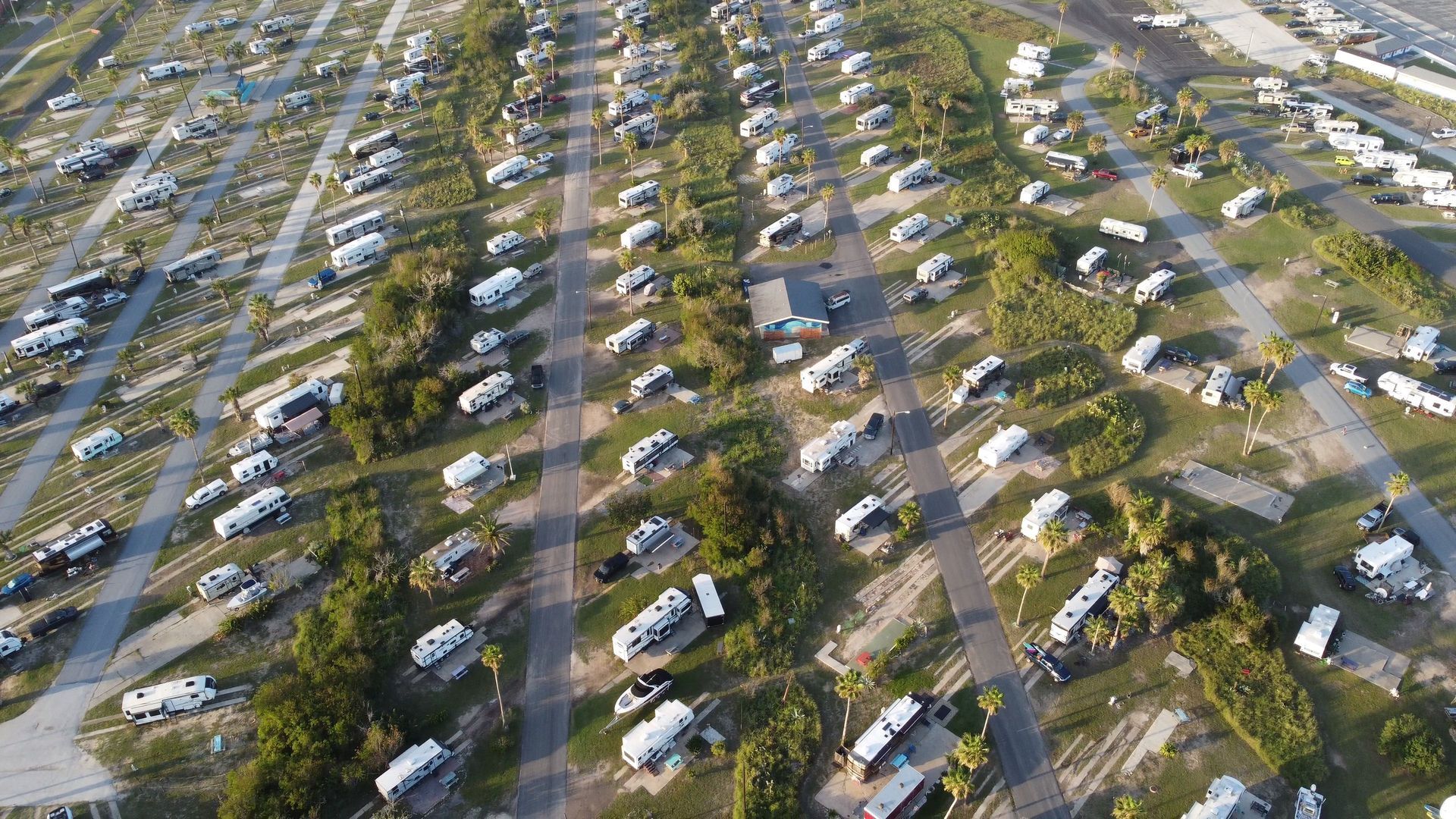
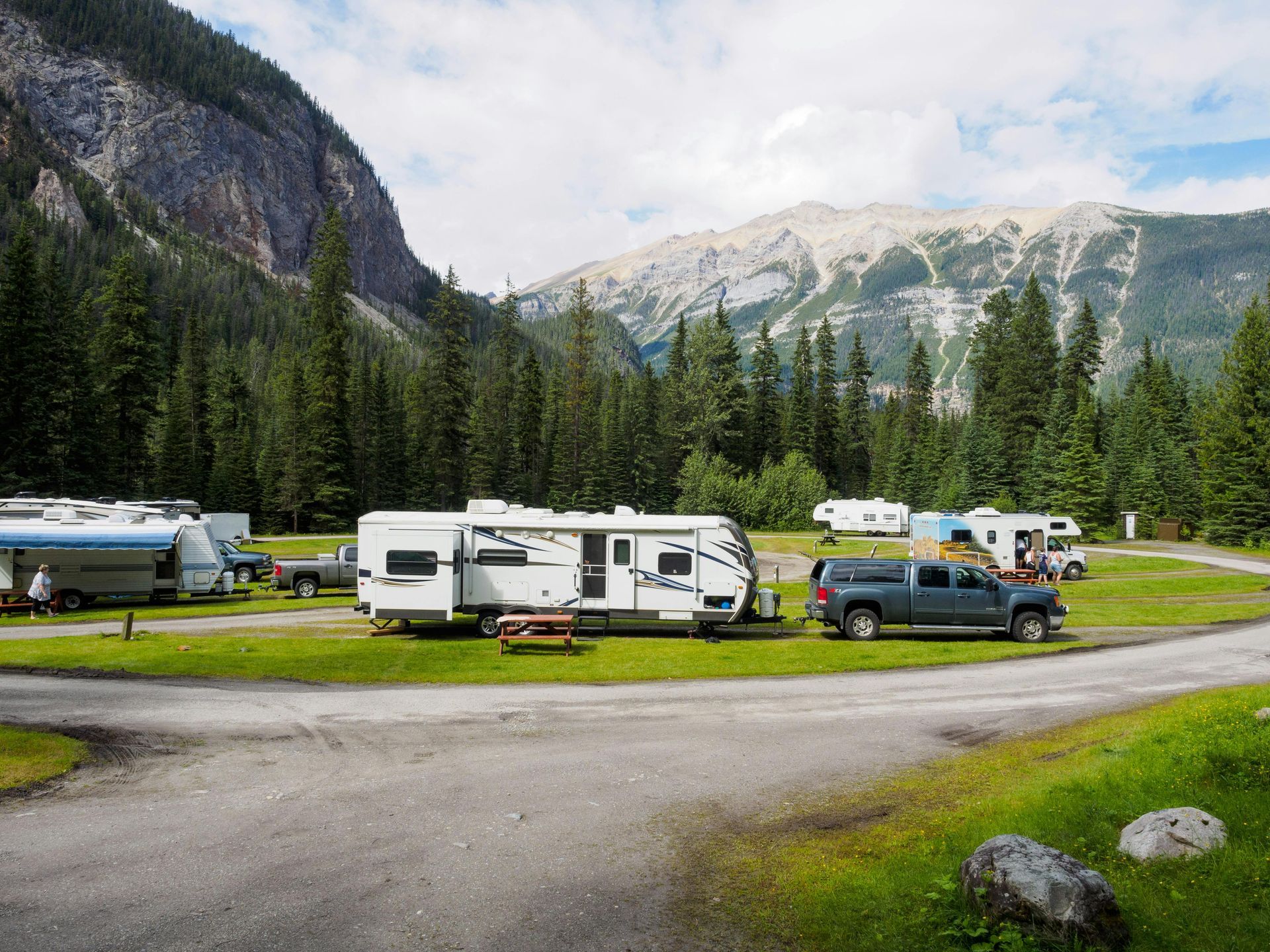
To begin with, it helps to clarify what each option truly offers. Covered RV storage typically includes a roof structure that shields your vehicle from direct sunlight, precipitation, and debris. While it does not fully enclose the RV, it significantly reduces exposure to the elements. On the other hand, uncovered storage is exactly what it sounds like. Your RV is parked outdoors without any overhead protection. This option is widely available and usually more affordable, which makes it appealing for many RV owners.
However, the real difference becomes more apparent over time. Covered storage acts as a buffer against environmental stress, while uncovered storage leaves your RV fully exposed to everything from intense summer heat to winter snowfall. In a region like Boise, that distinction carries more weight than it might in milder climates.
Why Boise’s Climate Changes the Equation
Boise’s climate plays a central role in this decision, and it is worth taking a closer look. The area experiences hot, dry summers and cold winters that can include snow and freezing temperatures. Seasonal extremes are common, with temperatures swinging dramatically throughout the year. Because of this, your RV is not just sitting idle. It is constantly reacting to temperature changes, sunlight, and moisture. Over time, these factors can affect everything from exterior paint to internal seals and components.
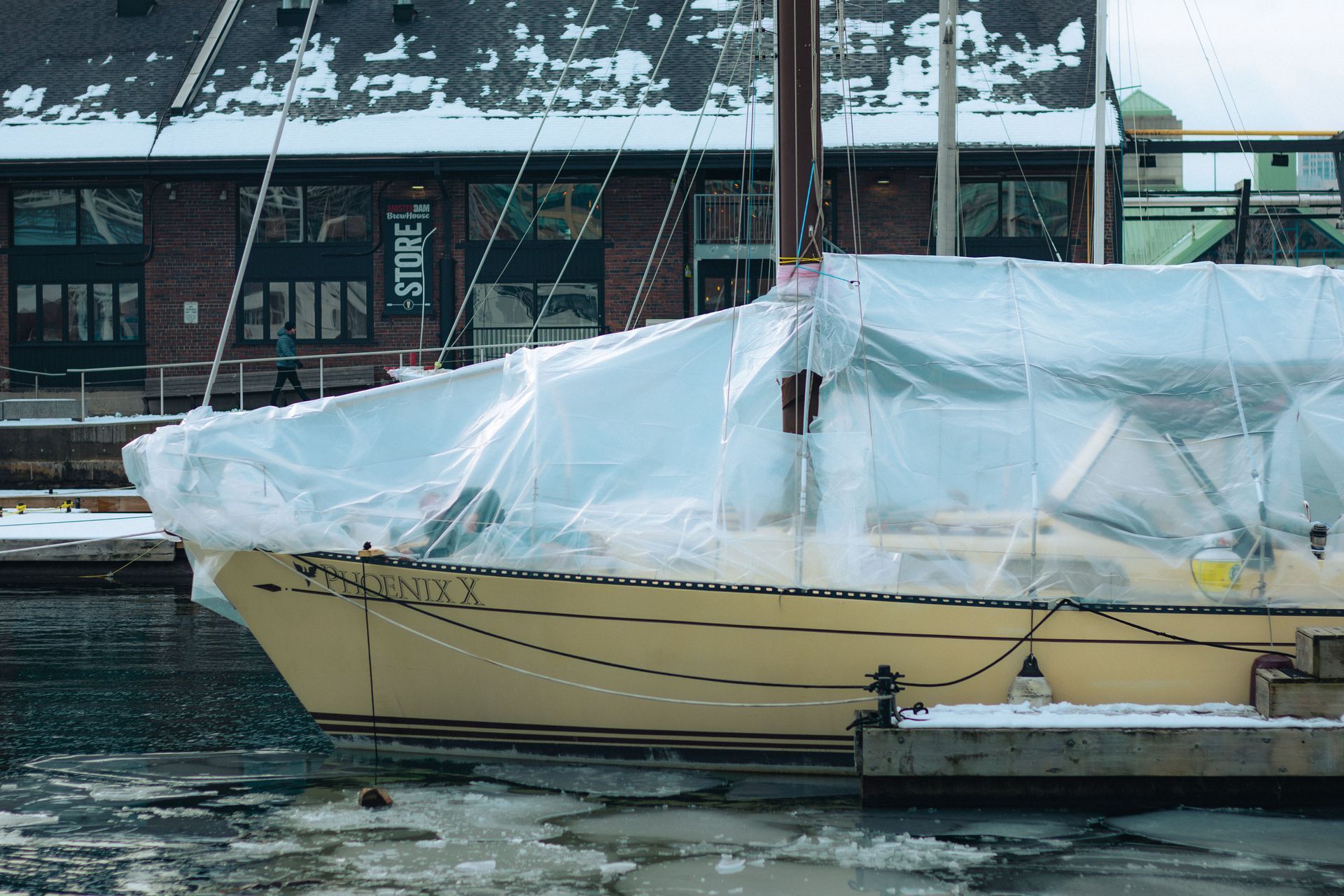
For example, prolonged sun exposure during summer can lead to fading, cracking, and deterioration of materials. Meanwhile, winter conditions introduce the risk of snow buildup, ice formation, and freeze-thaw cycles that can stress the structure of your RV. When you step back and consider these patterns, it becomes clear that storage is not simply about parking space. It is about protection against a wide range of environmental pressures.
The Benefits of Covered RV Storage in Boise
With Boise’s climate in mind, covered RV storage begins to stand out for several reasons. First and foremost, it provides consistent protection from direct sunlight. This is especially important during the summer months when UV exposure is at its peak. By reducing that exposure, covered storage helps preserve your RV’s exterior finish and prevents premature aging of materials. In addition to sun protection, covered storage also limits the impact of winter weather. Snow accumulation can add weight and trap moisture, which increases the risk of leaks or structural strain. A covered space reduces how much snow settles on your RV, making it easier to maintain and inspect during colder months.
Another point to consider is long-term value. If you have ever wondered how storage affects resale, it is worth exploring how RV depreciation and storage benefits in Idaho are closely connected. Simply put, better protection often translates to better condition, which can help maintain value over time. Finally, covered storage tends to reduce the frequency of routine maintenance. With less exposure to dust, debris, and weather, you may find yourself spending less time cleaning and more time enjoying your RV when it is actually in use.
When Uncovered Storage Is the Right Fit
Despite the advantages of covered storage, uncovered RV storage still has a place, and for many owners, it makes perfect sense. One of the most obvious benefits is cost. Uncovered spaces are generally more affordable, which can be a deciding factor for long term storage. Additionally, uncovered storage often offers greater flexibility. Without overhead structures, maneuvering your RV in and out of the space can be simpler, especially if you have a larger vehicle. This convenience can make a noticeable difference if you are frequently taking your RV out for trips.
Another important factor is usage frequency. If your RV is on the road often and rarely sits in one place for long periods, the cumulative effects of weather exposure may be less significant. In that case, the added cost of covered storage might not provide as much value. That said, choosing uncovered storage usually means taking a more active role in maintenance. Regular inspections, protective covers, and seasonal preparation become essential to keep your RV in good condition.
Seasonal Storage and Boise’s Outdoor Lifestyle
One of the unique aspects of owning an RV in Boise is how closely it ties into the local outdoor lifestyle. The region offers year round opportunities for recreation, from hiking and fishing to exploring scenic routes and nearby parks. According to Visit Boise, the area is surrounded by natural attractions that draw visitors throughout every season. Because of this, your RV may go through cycles of heavy use followed by extended periods of storage. For example, you might use it frequently during summer trips and then store it for several months during winter. These patterns make it even more important to choose a storage option that aligns with how your RV is actually used.
Winter, in particular, requires careful planning. Preparing your RV for cold temperatures is essential regardless of storage type, but it becomes even more critical if your RV is uncovered. For a deeper look at this process, you can review guidance on how to safely store your RV for winter in Boise, Idaho. Taking the right steps ahead of time can help prevent costly damage and ensure your RV is ready when warmer weather returns.
Balancing Cost and Long-Term Value
At this point, the conversation naturally turns to cost. Covered RV storage typically comes at a higher monthly rate, while uncovered storage offers a more budget-friendly option. However, looking at the monthly cost alone does not always tell the full story. Over time, exposure to harsh conditions can lead to maintenance and repair expenses. Issues like roof damage, seal deterioration, and interior wear may develop more quickly when an RV is left uncovered. In some cases, these costs can outweigh the savings from choosing a less expensive storage option.
On the other hand, if your RV is older or already shows signs of wear, investing in covered storage may not feel as necessary. In that situation, uncovered storage can provide a practical balance between cost and functionality. Ultimately, the key is to think beyond the immediate expense and consider how your choice affects your RV over the long term.
How Your Travel Habits Influence the Decision
Interestingly, one of the most overlooked factors in this decision is your personal travel routine. How often you use your RV, how long it sits between trips, and how much maintenance you are willing to handle all play a role. If your RV spends most of its time in storage, especially during extreme weather, covered storage offers a level of consistency that can make a noticeable difference. On the other hand, if you are regularly on the road, the benefits of covered storage may not be as pronounced.
Similarly, your tolerance for maintenance matters. Some RV owners enjoy taking a hands-on approach, while others prefer to minimize upkeep as much as possible. Covered storage leans toward convenience, while uncovered storage requires a bit more attention over time.
Making a Smart Choice in Boise
When everything is considered together, the choice between covered and uncovered RV storage becomes less about which option is better and more about which one fits your lifestyle. Boise’s climate, combined with its strong outdoor culture, creates a unique set of considerations that go beyond basic storage needs. Covered storage offers protection, reduced maintenance, and support for long term value. Uncovered storage provides affordability, flexibility, and accessibility. Both options can work well depending on how you use your RV and what you prioritize most. As you explore available storage options in Boise, taking the time to think through these factors can help you make a decision that feels both practical and sustainable.
At the end of the day, storing your RV is not just about finding a place to park it. It is about choosing an environment that supports how you use it and how you want it to perform over time. In Boise, where weather conditions shift throughout the year, and outdoor adventures are always within reach, that choice becomes even more meaningful. Covered RV storage provides an extra layer of protection that can help preserve your vehicle through both hot summers and cold winters. Meanwhile, uncovered storage offers a simpler and more cost effective option that still works well with the right level of care. By weighing these options thoughtfully and reviewing
local storage options in Boise, you can find a solution that aligns with your needs without overcomplicating the process.