Covered RV Storage or Open Air Parking? How Boise RV Owners Can Choose the Right Storage Solution
For many Idaho residents, RV ownership is about freedom. One weekend might involve a trip to Lucky Peak Reservoir, while the next could include exploring scenic mountain routes or camping near some of the state's most popular recreation areas. Having an RV makes it easier to enjoy these experiences on your own schedule. However, when the trip ends and the vehicle returns home, one important question remains: where should it be stored until the next adventure?
Choosing between covered and uncovered RV storage is one of the most common decisions RV owners face. While both options provide a dedicated place to keep your vehicle, they offer different advantages depending on your budget, usage habits, and long-term goals. Some owners prioritize affordability and accessibility, while others place greater value on added protection and preserving the appearance of their investment. As you compare available storage options in Boise, ID, it helps to understand exactly what separates covered RV storage from uncovered parking. Although the differences may seem straightforward at first glance, several important factors can influence which solution makes the most sense for your specific situation.
Key Points for Readers Short on Time
- Covered RV storage provides additional protection from sun exposure, debris, and everyday environmental wear.
- Uncovered RV storage is often the most cost-effective solution for many RV owners.
- The amount of time your RV spends parked can significantly influence which option offers the best value.
- Vehicle size, age, maintenance preferences, and budget all play a role in the decision-making process.
- Understanding dimensions before renting can help ensure the right fit by reviewing a storage unit size guide.
Why Proper RV Storage Deserves More Consideration Than Many Owners Realize
Purchasing an RV is a significant investment, which is why storage decisions should be viewed as part of the overall ownership experience. While it is easy to focus on floor plans, amenities, and travel destinations, how and where you store your RV can have a direct impact on its condition over time. Many owners initially assume that keeping an RV parked in a driveway or alongside a home is the simplest solution. However, local neighborhood restrictions, limited space, and accessibility concerns often make dedicated storage facilities a more practical alternative. In addition, large RVs can take up valuable parking space that homeowners may prefer to use for daily vehicles and other purposes.
Beyond convenience, dedicated RV storage helps create consistency. Instead of searching for temporary parking arrangements or adjusting household space every time you return from a trip, you have a designated location ready whenever you need it. As a result, travel preparation often becomes more organized and efficient. Because RVs are designed to travel long distances and spend time outdoors, some owners assume storage conditions are not particularly important. While these vehicles are certainly built to withstand outdoor environments, prolonged exposure can still contribute to wear that gradually accumulates over the years. Consequently, understanding the differences between covered and uncovered storage becomes an important part of protecting your investment.
What Is Covered RV Storage?
Covered RV storage refers to parking spaces that include an overhead roof structure designed to shield vehicles from direct exposure. Although the sides are often open, the roof provides a protective barrier above the RV while maintaining easy access for parking and retrieval. This type of storage is frequently viewed as a middle ground between fully enclosed indoor storage and traditional outdoor parking. On the one hand, owners receive additional protection from overhead exposure. On the other hand, they generally avoid the higher costs associated with enclosed storage facilities. As RV ownership continues to grow, covered storage has become increasingly popular among owners looking for an extra layer of protection without dramatically increasing their monthly storage expenses.
The Benefits of Covered RV Storage
One of the most noticeable benefits of covered RV storage is the reduction of direct sunlight exposure. Over time, ultraviolet rays can affect paint finishes, decals, roof materials, and rubber components. While routine maintenance remains important regardless of storage type, limiting direct exposure can help reduce the rate at which exterior materials age. Additionally, covered storage helps minimize the accumulation of debris. Leaves, falling branches, bird droppings, and airborne dirt can all collect on RV surfaces when parked for extended periods. Because of this, owners often spend less time cleaning and preparing their vehicles before a trip. Another consideration is overall appearance. Many RV owners take pride in maintaining the condition of their vehicle, especially when it represents a significant financial investment. Covered storage can help preserve curb appeal by reducing the amount of environmental exposure the exterior receives throughout the year.
Other advantages include:
- Reduced exposure to direct sunlight
- Less accumulation of debris and dirt
- Additional protection for roofs, vents, and exterior fixtures
- Potentially lower cleaning and detailing requirements
- Greater peace of mind during longer storage periods
While covered storage may not eliminate maintenance responsibilities, it can help reduce some of the factors that contribute to exterior wear.
What Is Uncovered RV Storage?
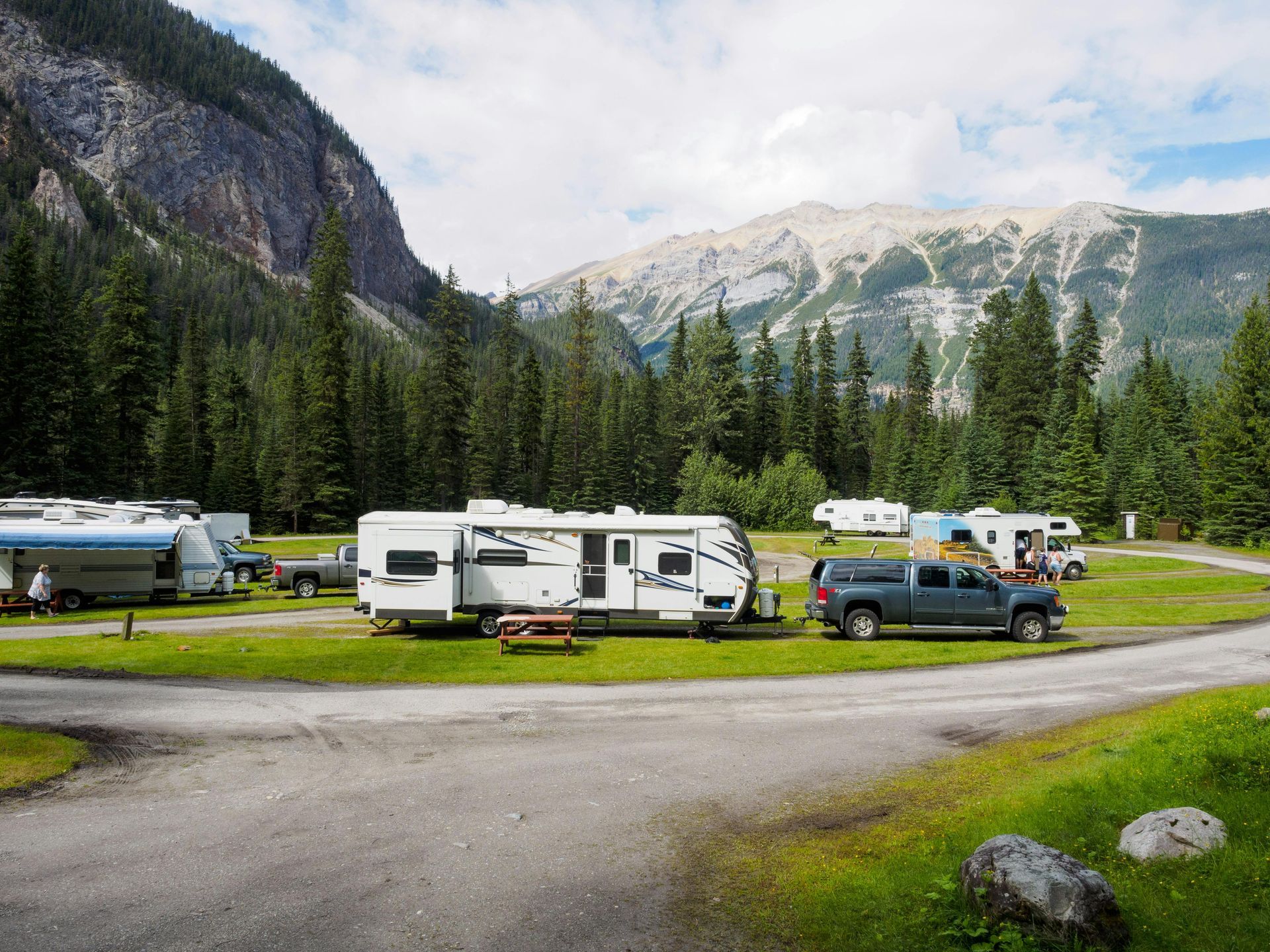
Uncovered RV storage consists of designated outdoor parking spaces without an overhead structure. These spaces are specifically designed to accommodate recreational vehicles and often provide ample room for maneuvering larger trailers, motorhomes, and fifth wheels. Because uncovered storage requires less infrastructure, it is generally the most widely available RV storage option. Furthermore, it often provides the most economical solution for owners seeking secure off-site parking. For many RV owners, particularly those who travel frequently, uncovered storage delivers everything they need. The ability to access, park, and retrieve the vehicle quickly can make this option especially attractive for individuals who spend much of the year actively using their RV.
The Benefits of Uncovered RV Storage
Affordability is often the primary reason RV owners select uncovered storage. Since facilities do not need to construct and maintain roofed structures, operating costs are typically lower, which can translate into more budget-friendly rental rates. In addition, uncovered spaces frequently accommodate larger vehicles more easily. Owners of oversized motorhomes or long travel trailers may find that outdoor parking offers greater flexibility when entering, exiting, and positioning their RV. Another advantage is accessibility. Frequent travelers often appreciate the simplicity of arriving, connecting their vehicle, and heading out without navigating enclosed structures or height limitations.
Additional benefits may include:
- Lower monthly storage costs
- Easier access for frequent trips
- Availability for larger RVs
- More flexible parking layouts
- Practical storage for seasonal travelers
As a result, uncovered storage remains one of the most popular choices among RV owners across Idaho.
Comparing Protection Levels: Where the Biggest Difference Exists
Although both storage types provide a designated location for your RV, the level of protection they offer differs considerably. Covered storage provides a physical barrier between your RV and direct overhead exposure. While this does not completely shield the vehicle from environmental conditions, it can help reduce the effects of prolonged exposure on roofs, seals, and exterior finishes. By contrast, uncovered storage leaves the vehicle fully exposed. RVs are engineered to withstand outdoor conditions, but continuous exposure can gradually contribute to fading, weathering, and increased maintenance requirements over time. According to the Recreation Vehicle Industry Association (RVIA), regular maintenance and proper storage practices are important components of preserving the condition and longevity of recreational vehicles. Therefore, when evaluating storage options, it is helpful to think beyond the monthly rental rate and consider how storage conditions may affect maintenance efforts over the life of your RV.
How Boise's Outdoor Lifestyle Can Influence Your Storage Decision
One of the unique aspects of living in Boise is the abundance of recreational opportunities nearby. Residents often use their RVs to access campgrounds, reservoirs, mountain destinations, and outdoor recreation areas throughout the state. According to Visit Boise, the region serves as a gateway to many of Idaho's most popular outdoor experiences, making it a natural hub for RV enthusiasts. Because many local RV owners use their vehicles regularly, storage priorities can vary significantly. Someone who takes monthly camping trips may place a higher value on convenience and accessibility. Meanwhile, an owner who embarks on only a few extended vacations each year may be more interested in maximizing protection during longer storage periods. Consequently, there is rarely a one-size-fits-all answer. The best choice often depends on how your RV fits into your lifestyle.
Questions to Ask Before Choosing a Storage Option
Before making a final decision, it can be helpful to evaluate your specific circumstances. For example, consider how frequently your RV is used. If it spends most weekends on the road, uncovered storage may provide excellent value without requiring additional expense. Conversely, if the vehicle remains parked for several months at a time, covered storage may offer benefits that become increasingly worthwhile. You should also consider the age and value of your RV. Owners of newer or premium models often prioritize additional protection because preserving appearance and condition can support long-term ownership goals.
Some useful questions include:
- How often do I travel with my RV?
- How long does the RV typically remain parked?
- How much maintenance am I comfortable performing?
- What is my monthly storage budget?
- How important is preserving exterior appearance?
The answers can help narrow your options and make the decision more straightforward.
Evaluating Cost Beyond the Monthly Rate
Many storage decisions naturally begin with pricing. While cost is certainly important, it is often beneficial to think about overall value rather than focusing exclusively on monthly rental rates. Uncovered storage typically carries the lowest upfront cost, making it attractive for budget-conscious owners. However, some RV owners feel that the additional protection offered by covered storage provides value that extends beyond the monthly fee.
For instance, reduced cleaning requirements and lower exposure to debris may save time and effort throughout the year. While these benefits can vary depending on individual circumstances, they are worth considering when comparing options. Ultimately, the goal is not necessarily finding the cheapest storage solution. Instead, it is finding the solution that best aligns with your priorities and ownership experience.
Why Size Matters When Selecting RV Storage
Even after deciding between covered and uncovered storage, selecting the correct space size remains an important step. RV dimensions can vary dramatically. Compact travel trailers may require substantially less room than large Class A motorhomes or fifth wheels. As a result, understanding your vehicle's measurements beforehand can prevent unnecessary complications during move-in. In addition to vehicle length, consider width, height, slide-outs, and maneuvering space. Having adequate room to park comfortably can make every arrival and departure significantly easier. Reviewing a storage unit size guide before renting can help ensure that your chosen space accommodates your RV appropriately.
Preparing Your RV for Storage Regardless of Which Option You Choose
No matter which storage solution you select, proper preparation remains essential. Routine maintenance before storage can help keep systems functioning properly and reduce the likelihood of surprises when your next trip arrives. Tasks such as cleaning the interior, inspecting seals, checking tire pressure, and verifying battery condition are all worthwhile steps. Likewise, preparing your RV when taking it out of storage is equally important. Conducting a thorough inspection allows you to identify any maintenance needs before hitting the road. For additional guidance, review this helpful RV out of storage checklist, which outlines several important considerations before beginning your next adventure.
Covered vs. Uncovered RV Storage: Which Option Is Right for You?
After considering the advantages of both options, the answer ultimately comes down to your priorities. Covered storage may be the stronger choice if your RV spends extended periods parked, if maintaining appearance is important to you, or if you prefer additional protection for exterior components. Meanwhile, uncovered storage often makes sense for owners who travel frequently, want a more economical solution, or require space for particularly large vehicles. If you would like a deeper comparison of the advantages and tradeoffs associated with each option, this guide discussing covered versus uncovered RV storage offers additional insights.
Finding the Storage Solution That Matches Your RV Lifestyle
Choosing between covered and uncovered RV storage is ultimately about balancing protection, accessibility, and cost. While some RV owners appreciate the added shelter that covered storage provides, others find that uncovered parking delivers exactly what they need at a more economical price point. By carefully evaluating your travel habits, maintenance expectations, vehicle size, and long-term ownership goals, you can make a decision that supports both your RV and your lifestyle. As you compare available
storage options in Boise, ID, reviewing your space requirements with a
storage unit size guide can provide additional clarity and help ensure you select the storage solution that best fits your needs.